December 17, 1906
A Watchful Museum Child
Theothea Elizabeth Sockham was 11 years old and lived between the collection of the [Museum of Legends and Antiquities](entity:location-recall-location-museum-of-legends-an-bcc386404a04). She could sense a curse that neither her parents nor the curators at the museum could perceive. She learned to secretly explore this gift, as adults often dismissed
Later on December 17, 1906
The Wax Test
After other curators left the receiving area, Theodossia placed the wax tablets around the Bust of the Cat Goddess. By evening, the wax had turned a murky green-black, confirming that the artifact was under a strong curse. The result meant that before [Henrietta](entity:character-recall-character-henrietta-821d7af1f636) returned with more discoveries, she
That night
The Moonlight Test
After midnight, Theodossia sneaked through the dark legend and antiquities museum to reach the studio of Alistair Sockmorton. Under the moonlight, she saw sacred symbols writhing on the statues, including those related to Anubis, Seth, Apophis
That night
Fagenbush in the Workroom
During the hiding period, Theodossia recognized the intruder, Clive Fegenbush, by the black shoes of the other and the smell of boiled cabbage and pickled onions. He looked around the shelf with the idol, then hid when Alistair came in
The following morning
A Bed in the Sarcophagus
Alistair found Theodossia sleeping in an ancient stone coffin, which she had made into a bed in the narrow museum room, calling that room her own. She argued that it would keep out the wind, yet she kept her fear of the museum's night magic hidden in her heart
That morning
Fagenbush Demands the Statue
Clive Fegenbush blocked Theodossia in the studio and questioned her about the statue. He took a scroll from her hands, but Nigel Bolinsworth intervened and ordered Fegenbush to leave, preparing to receive the school visitors. Fegenbush admitted he had other plans
That morning
Researching the Curse
Theodora reads an old book about Egyptian magic, confirming that this statue is likely a basalt statue treated with harmful chemicals. The book mentions a method to transfer the curse to a wax replica and then burn it, but does not explain the consequences if the ritual goes wrong
That afternoon
The Curse Takes Isis
Theodossia recited the prescribed incantation while anointing the idol with red wine and rue. The hieroglyphs rose from the stone, but [Isis](entity:character-recall-character-isis-cb437a69d6b3) diverted her attention, and the curse entered the cat's body rather than the wax figure. Isis became wild-eyed and filled with
That afternoon
A Stele and a Forgotten Lunch
Seeing the time was pressing, Theodossia had to rush to pick up [Henrietta](entity:character-recall-character-henrietta-821d7af1f636). She placed the seemingly curse-free idol back on the shelf, only to find that Alistair was struggling to reassemble a broken stone tablet. She correctly put the tablet back together, but he hardly noticed
December 17, 1906
A Pickpocket at the Station
At [Charing Cross railway station](entity:location-recall-location-7d661b75423c), Theodora caught a small street boy stealing Alistair's wallet. She did not call the police, but made him swear not to steal from them again, then let him go
December 17, 1906
Henrietta Comes Home
[Henrietta](entity:character-recall-character-henrietta-821d7af1f636) was waiting at the station, surrounded by a large number of eye-catching boxes and wooden crates. Theodossia was initially shy, but then she embraced her family members with the long-awaited affection; Alistair began to check the luggage. Theodossia felt a man hiding
December 17, 1906
The Tomb’s New Finds
At the [Museum of Legends and Antiquities](entity:location-recall-location-museum-of-legends-an-bcc386404a04), [Henrietta](entity:character-recall-character-henrietta-821d7af1f636) opened the first package of her expedition findings, displaying violent subject carvings, weapons, and records from the tomb of Amenemhat. Amenemhat was once the war minister of Thutmose III. Alistair was delighted with
December 17, 1906
Shabtis and Black Grain
Theodora diverted Nigel Bolingbroke's attention from a box of armed Shabti figurines, directing his gaze to another wooden box. Inside were black stone blocks intricately carved into the shape of grains, a material choice that made her feel ominous. She persuaded Alister to give her
December 17, 1906
Sticky Will’s Warning
Theodora discovered that the clumsy thief [Will](entity:character-recall-character-will-17d4ceb7f768) has been following the man staring at [Henrietta](entity:character-recall-character-henrietta-821d7af1f636)'s luggage. Will said the stranger has been following Theodora since the station and offered to continue following him if he is given another pie
That evening
A Ride with Grandmother
The footsteps behind her became more unsettling. Theodossia accepted her grandmother's offer to take a ride in the car from the Sokmorton house, rather than stay alone on the street. The grandmother scolded her for going out alone without anyone accompanying her, and also criticized [Henrietta](entity:character-recall-character-henrietta-821d7af1f636)'s
That evening
A Family Dinner at the Museum
Back at the museum, [Theodosia](entity:character-recall-character-theodosia-a6a84526ad80) is attacked by the frenzied [Isis](entity:character-recall-character-isis-cb437a69d6b3) but briefly calms her with a piece of meat. She serves a proper supper to [Henrietta](entity:character-recall-character-henrietta-821d7af1f636) and Alistair, enjoying their company even as their conversation keeps returning to politics in [Egypt](entity:location-recall-location-egypt-831f7ba4f646).
Henrietta gives Theodosia a rubbing of [Amenemhab’s secret writings on the art of war](entity:object-recall-object-0af82c54a680). The parents then insist on a private discussion and send Theodosia back to her room, leaving her to read the dangerous text alone.
The next morning
The Cat’s First Amulet
After a troubled night among dreams of war and the museum’s restless sounds, [Theodosia](entity:character-recall-character-theodosia-a6a84526ad80) sets out to cure [Isis](entity:character-recall-character-isis-cb437a69d6b3). She researches the problem, finds no useful instructions, and decides to devise an amulet using a kitten tooth, fishbone, catnip, and protective symbols.
She catches Isis with food and manages to tie the collar around her neck while chanting. Her attempt to purify the cat ends with Theodosia throwing water through the doorway and soaking [Clive Fagenbush](entity:character-recall-character-clive-fagenbush-6392d35dda7e) instead.
The next morning
Henry Returns to the Museum
[Theodosia](entity:character-recall-character-theodosia-a6a84526ad80) and Alistair go to [Charing Cross railway station](entity:location-recall-location-7d661b75423c) to collect [Henry Throckmorton](entity:character-recall-character-henry-throckmorton-2519098005f5), who comes home for the [Christmas](entity:time-recall-time-christmas-a573265d0167) holidays. At the station, [Sticky Will](entity:character-recall-character-sticky-will-6f1482b0595c) tells Theodosia that the man following her went to [Carleton House Terrace](entity:location-recall-location-carleton-house-terra-02e7fda13ca4), beside the German Embassy.
[Henry](entity:character-recall-character-henry-c166031952d6) mocks Theodosia for talking to a street urchin and threatens to send her back to school if she is rude to him. Their rivalry is established just as Theodosia begins to suspect that the stranger’s German connection matters.
The following days
A Tense Christmas
The family goes home for [Christmas](entity:time-recall-time-christmas-a573265d0167), joined by [Henrietta](entity:character-recall-character-henrietta-821d7af1f636)’s brother Andrew. [Theodosia](entity:character-recall-character-theodosia-a6a84526ad80) enjoys the warmth and company, but remains worried about [Isis](entity:character-recall-character-isis-cb437a69d6b3) and the danger building around the museum.
She gives her parents protective amulets, which they do not take seriously. Andrew teaches her to throw knives, and the holidays briefly provide an ordinary family life before the mystery resumes.
After Christmas
A Museum Holding Its Breath
When [Theodosia](entity:character-recall-character-theodosia-a6a84526ad80) returns to the [Museum of Legends and Antiquities](entity:location-recall-location-museum-of-legends-an-bcc386404a04), the building feels unnaturally silent and cold. Alistair dismisses her unease, while [Henry](entity:character-recall-character-henry-c166031952d6) follows her through the Egyptian galleries as she searches for signs of disturbance.
Henry cannot sense the curses that Theodosia detects, and the usual rooms appear unchanged. Theodosia begins to suspect that the unease comes from a specific artifact or event rather than the museum’s ordinary magic.
That morning
Shabtis Change Shape
[Theodosia](entity:character-recall-character-theodosia-a6a84526ad80) visits [Edgar Stilton](entity:character-recall-character-edgar-stilton-8a06798bec4c), whose sudden twitching and sneezing suggest that something unusual is affecting the museum. In short-term storage, she and [Henry](entity:character-recall-character-henry-c166031952d6) inspect the new finds and discover that the [Shabti Figures](entity:object-recall-object-shabti-b81cef8ce41d) look sharper and more threatening than before.
Some figures are scattered on the floor, and Theodosia cannot tell whether someone moved them or they have shifted on their own. Her original feeling of unease remains unexplained, but the shabtis now present a second mystery.
That morning
The Cat Attacks Snowthorpe
[Theodosia](entity:character-recall-character-theodosia-a6a84526ad80) takes [Henry](entity:character-recall-character-henry-c166031952d6) toward the basement storage, then changes course when she sees that the catacombs remain undisturbed. On the way, they find [Lord Snowthorpe](entity:character-recall-character-lord-snowthorpe-51499b5f38b0) waiting in the museum foyer for [Henrietta](entity:character-recall-character-henrietta-821d7af1f636) and Alistair.
[Isis](entity:character-recall-character-isis-cb437a69d6b3) launches herself from a balcony and attacks Snowthorpe, causing a chaotic struggle. Theodosia is the only one chiefly worried about the cat, which escapes again before Snowthorpe announces that he came to see the [Heart of Egypt](entity:object-recall-object-heart-of-egypt-98aeb7bf9f98).
That morning
The Heart Is Missing
[Henrietta](entity:character-recall-character-henrietta-821d7af1f636) retrieves the velvet wrapping from a hidden safe, expecting to show [Lord Snowthorpe](entity:character-recall-character-lord-snowthorpe-51499b5f38b0) the [Heart of Egypt](entity:object-recall-object-heart-of-egypt-98aeb7bf9f98). Instead, she finds a dull black heart-shaped object marked with a serpent, with no curse or sulfurous trace that [Theodosia](entity:character-recall-character-theodosia-a6a84526ad80) can detect.
Henrietta conceals the loss from Snowthorpe, claiming the artifact is being cleaned. Theodosia suspects that his visit is connected to the theft and realizes that someone outside the family knew where the treasure was kept.
Later that morning
Snowthorpe’s Lead
[Theodosia](entity:character-recall-character-theodosia-a6a84526ad80) secretly follows [Lord Snowthorpe](entity:character-recall-character-lord-snowthorpe-51499b5f38b0) to the [British Museum](entity:location-recall-location-british-museum-79b9ec91e23e) and overhears him tell a subordinate named [Tetley](entity:character-recall-character-tetley-5d1f62eaf3a9) that the Throckmortons do not have the [Heart of Egypt](entity:object-recall-object-heart-of-egypt-98aeb7bf9f98). Snowthorpe suspects that the family is bluffing and chastises Tetley for bad information.
When Tetley leaves soon afterward, Theodosia follows him through [London](entity:location-recall-location-1bfd335cdd1b). His abrupt departure seems too suspicious to ignore, though she still does not know how he learned about the artifact.
Later that day
Into Seven Dials
[Tetley](entity:character-recall-character-tetley-5d1f62eaf3a9) leads [Theodosia](entity:character-recall-character-theodosia-a6a84526ad80) across Oxford Street and into the crowded, impoverished streets of [Seven Dials](entity:location-recall-location-fdbb27ded8e2). [Henry](entity:character-recall-character-henry-c166031952d6) appears behind her, having followed her without permission, and she reluctantly shares what she knows about the missing artifact.
The streets grow more threatening as the children approach the river. Theodosia wants to keep Tetley in sight, but she is increasingly aware that she and Henry have gone far beyond the boundaries their parents set.
Later that day
The Attack on Tetley
As [Theodosia](entity:character-recall-character-theodosia-a6a84526ad80) and [Henry](entity:character-recall-character-henry-c166031952d6) hurry after [Tetley](entity:character-recall-character-tetley-5d1f62eaf3a9), a stranger grabs Theodosia’s elbow. It is [Sticky Will](entity:character-recall-character-sticky-will-6f1482b0595c), who explains that the streets are his territory and that he has been protecting them from local pickpockets.
[Will](entity:character-recall-character-will-17d4ceb7f768) warns them that another person is following the group. The children see the pursuer rush past them into an alley, where he strikes Tetley down with a club and searches his pockets, taking something that may be the [Heart of Egypt](entity:object-recall-object-heart-of-egypt-98aeb7bf9f98).
Minutes later
The Churchyard Fight
The attacker leaves the alley, and [Theodosia](entity:character-recall-character-theodosia-a6a84526ad80), [Henry](entity:character-recall-character-henry-c166031952d6), and [Will](entity:character-recall-character-will-17d4ceb7f768) follow him through the streets. At [St Paul's churchyard](entity:location-recall-location-st-paul-s-churchyard-aab7e128257a), three men catch up and assault him, one stabbing him as the group tries to reach the church.
The attackers take an object from the fallen man and disperse. Will recognizes the language they speak as German, convincing Theodosia that a German group is pursuing the same artifact and has already turned the chase deadly.
Minutes later
Stokes’s Message
[Theodosia](entity:character-recall-character-theodosia-a6a84526ad80) and [Henry](entity:character-recall-character-henry-c166031952d6) approach the wounded attacker, who is still alive and asks for help at [Somerset House](entity:location-recall-location-somerset-house-edde3d7d66c6). He refuses the police and gives the name Wigmere, adding a fragmentary warning about forces of chaos.
Theodosia leaves her protective amulet over the man’s heart and tears a petticoat into bandages. Henry stays with the injured operative while Theodosia runs to find the only help the stranger has named.
That afternoon
Theodosia Reaches Wigmere
At the [Society of Antiquaries](entity:organization-recall-organization-society-of-antiq-e9e5e33922cc)’ [Somerset House](entity:location-recall-location-somerset-house-edde3d7d66c6), [Theodosia](entity:character-recall-character-theodosia-a6a84526ad80) insists that a dying man needs [Lord Wigmere](entity:character-recall-character-lord-wigmere-48eb91462e71) and refuses to hand her message to an officious clerk. Wigmere receives her and reacts urgently when she says the wounded man is at [St Paul's churchyard](entity:location-recall-location-st-paul-s-churchyard-aab7e128257a).
Theodosia recounts the pursuit, the theft, and the violence. Wigmere dispatches his operatives to retrieve [Henry](entity:character-recall-character-henry-c166031952d6) and [Stokes](entity:character-recall-character-stokes-8d7f1793865c), then questions her about the [Heart of Egypt](entity:object-recall-object-heart-of-egypt-98aeb7bf9f98) and the strange events at her family’s museum.
That afternoon
The Brotherhood Revealed
[Lord Wigmere](entity:character-recall-character-lord-wigmere-48eb91462e71) recognizes that [Theodosia](entity:character-recall-character-theodosia-a6a84526ad80) can sense curses and asks her to explain her tests. She describes how wax darkens around a cursed object and how moonlight reveals moving hieroglyphs that are the curse itself.
Wigmere explains that he belongs to a secret society, the [Brotherhood](entity:organization-recall-organization-brotherhood-267d5113ae63) of the Chosen Keepers, whose members investigate magical artifacts. He is astonished by Theodosia’s unusual ability and suggests that the sensitivity may be more common in children than adults.
That afternoon
Danver’s Curse
Wigmere takes [Theodosia](entity:character-recall-character-theodosia-a6a84526ad80) to [Level Six](entity:location-recall-location-2c3f690af1db), the hidden center of the [Brotherhood](entity:organization-recall-organization-brotherhood-267d5113ae63)’s operations. There she witnesses Danver’s arm blister and bubble after he handles an artifact whose curse has not been identified.
Theodosia uses an amulet to hold the curse back, then coats Danver’s arm in melted wax. The wax draws the curse out and turns black, saving him, though it removes all the hair from his arm as well.
That afternoon
Stokes Names the Enemy
[Theodosia](entity:character-recall-character-theodosia-a6a84526ad80) visits [Stokes](entity:character-recall-character-stokes-8d7f1793865c) in the infirmary, where he has barely survived his injuries. He tells Wigmere that the attack was part of a larger struggle and names [Von Braggenschnott](entity:character-recall-character-von-braggenschnott-f591c7364f7a) as the enemy behind it.
Stokes warns that the forces of chaos are rising again. Wigmere explains that the [Heart of Egypt](entity:object-recall-object-heart-of-egypt-98aeb7bf9f98)’s curse is already threatening [Britain](entity:location-recall-location-britain-3f5d255bbd7a) and says it must be returned to Thutmose III’s tomb to stop the disaster.
That afternoon
The Brotherhood’s Secrecy
[Lord Wigmere](entity:character-recall-character-lord-wigmere-48eb91462e71) orders [Theodosia](entity:character-recall-character-theodosia-a6a84526ad80) to keep the [Brotherhood](entity:organization-recall-organization-brotherhood-267d5113ae63) and everything she has seen secret, even from her parents and [Henry](entity:character-recall-character-henry-c166031952d6). She agrees, though the demand deepens her isolation at a moment when she needs trusted allies.
Wigmere’s operatives bring Henry back, and he sends him out again with Dodson to identify [Sticky Will](entity:character-recall-character-sticky-will-6f1482b0595c). Theodosia returns to the museum knowing that the Heart’s curse is not merely an archaeological puzzle but a national emergency.
The following morning
Britain Begins to Suffer
[Theodosia](entity:character-recall-character-theodosia-a6a84526ad80) reads reports of crop blight, flooding, illness, and growing shortages. The headlines match the disasters [Lord Wigmere](entity:character-recall-character-lord-wigmere-48eb91462e71) predicted would follow the [Heart of Egypt](entity:object-recall-object-heart-of-egypt-98aeb7bf9f98)’s removal from its tomb.
She sees the crisis in the hungry faces she encountered in [Seven Dials](entity:location-recall-location-fdbb27ded8e2) and realizes [Britain](entity:location-recall-location-britain-3f5d255bbd7a) is already weakening. With the German delegation preparing to leave [London](entity:location-recall-location-1bfd335cdd1b), she decides that waiting for the [Brotherhood](entity:organization-recall-organization-brotherhood-267d5113ae63) may not be enough.
The following morning
The Germans’ Political Design
A newspaper photograph identifies one of the men from [St Paul's churchyard](entity:location-recall-location-st-paul-s-churchyard-aab7e128257a), while an article reports that the German delegation will soon leave for Germany. [Theodosia](entity:character-recall-character-theodosia-a6a84526ad80) links their departure from [Carleton House Terrace](entity:location-recall-location-carleton-house-terra-02e7fda13ca4) to the man [Sticky Will](entity:character-recall-character-sticky-will-6f1482b0595c) had tracked.
She reasons that disease, famine, and economic weakness could undermine [Britain](entity:location-recall-location-britain-3f5d255bbd7a)’s position in treaty negotiations. The Heart’s curse is being used to weaken a nation for political advantage, and Theodosia resolves to retrieve it before the plan advances.
That day
Recruiting Sticky Will

[Theodosia](entity:character-recall-character-theodosia-a6a84526ad80) finds [Sticky Will](entity:character-recall-character-sticky-will-6f1482b0595c) at [Charing Cross railway station](entity:location-recall-location-7d661b75423c) and confirms that he followed the suspicious man to [Carleton House Terrace](entity:location-recall-location-carleton-house-terra-02e7fda13ca4). She tells him the artifact is cursed and dangerous, without revealing the full [Brotherhood](entity:organization-recall-organization-brotherhood-267d5113ae63) story.
She proposes that [Will](entity:character-recall-character-will-17d4ceb7f768) pickpocket the [Heart of Egypt](entity:object-recall-object-heart-of-egypt-98aeb7bf9f98) from [Von Braggenschnott](entity:character-recall-character-von-braggenschnott-f591c7364f7a) at the docks while [Henry](entity:character-recall-character-henry-c166031952d6) creates a distraction. Will agrees, attracted by the challenge and the prospect of an extraordinary theft, although Theodosia worries that the plan will put him in danger.
That day
The Isis Mud Bath
[Theodosia](entity:character-recall-character-theodosia-a6a84526ad80) returns to the museum to find [Isis](entity:character-recall-character-isis-cb437a69d6b3) clinging to Alistair’s back and attacking him. She frees the cat, then decides to try the [Brotherhood](entity:organization-recall-organization-brotherhood-267d5113ae63)’s Nile mud treatment, using mud from a nearby square as a substitute.
The bath is chaotic and leaves Theodosia’s dress filthy, but Isis escapes without her usual violent attack. Theodosia does not yet know whether the treatment has worked, and she must conceal the mess from her parents.
That night
Henry Joins the Plan
[Theodosia](entity:character-recall-character-theodosia-a6a84526ad80) visits [Henry](entity:character-recall-character-henry-c166031952d6) and asks whether he still wants to help her. She lays out a plan to follow the German delegation to [Queen Victoria Docks](entity:location-recall-location-queen-victoria-docks-0a8a5125bf97) and have [Will](entity:character-recall-character-will-17d4ceb7f768) steal the [Heart of Egypt](entity:object-recall-object-heart-of-egypt-98aeb7bf9f98) during a distraction.
Henry points out the danger that [Von Braggenschnott](entity:character-recall-character-von-braggenschnott-f591c7364f7a) might use a weapon against Will. Theodosia argues that a crowd will provide cover and persuades Henry to help, assigning him the task of creating the diversion.
That morning
A Journey to Egypt Required
Wigmere explains that neither he nor the wounded [Stokes](entity:character-recall-character-stokes-8d7f1793865c) can carry the [Heart of Egypt](entity:object-recall-object-heart-of-egypt-98aeb7bf9f98) back to the tomb. He insists that [Theodosia](entity:character-recall-character-theodosia-a6a84526ad80) must persuade her parents to return to [Egypt](entity:location-recall-location-egypt-831f7ba4f646) without telling them about the [Brotherhood](entity:organization-recall-organization-brotherhood-267d5113ae63) or the recovered artifact.
Theodosia is furious that Wigmere suspects her mother and that he expects her to undertake the mission alone. She agrees to get the family to Egypt, partly to prove [Henrietta](entity:character-recall-character-henrietta-821d7af1f636)’s innocence, and leaves with the Heart still in her possession.
Later that day
Confronting Fagenbush
At the museum, [Theodosia](entity:character-recall-character-theodosia-a6a84526ad80) confronts [Clive Fagenbush](entity:character-recall-character-clive-fagenbush-6392d35dda7e) and asks what he did with the [Heart of Egypt](entity:object-recall-object-heart-of-egypt-98aeb7bf9f98). He instead demands to know what she did to the Bastet statue, confirming that he knew it was cursed and had wanted to use it.
[Nigel Bollingsworth](entity:character-recall-character-nigel-bollingsworth-3841359d9347) interrupts their argument, and Fagenbush leaves. Theodosia remains convinced that he is the mole, unaware that the person she trusts most among the curators is concealing the truth.
That evening
A Dangerous Egyptian Curse
[Theodosia](entity:character-recall-character-theodosia-a6a84526ad80) watches [Henrietta](entity:character-recall-character-henrietta-821d7af1f636) at dinner, searching for signs that the black magic has changed her. She asks about the excavation, the [Heart of Egypt](entity:object-recall-object-heart-of-egypt-98aeb7bf9f98), and [Von Braggenschnott](entity:character-recall-character-von-braggenschnott-f591c7364f7a), learning that he helped Henrietta secure permission to take the artifact out of [Egypt](entity:location-recall-location-egypt-831f7ba4f646).
Henrietta describes Von Braggenschnott as a smuggler of antiquities. Theodosia keeps her suspicions secret and tries to persuade her parents to return to Egypt, but their work and family commitments make them reluctant.
The next morning
Shabtis on the Move
[Theodosia](entity:character-recall-character-theodosia-a6a84526ad80) wakes to find [Isis](entity:character-recall-character-isis-cb437a69d6b3) calm and purring at her feet, evidence that the mud bath has finally broken the cat’s demonic state. She then makes fresh protective amulets before returning to the storage area to investigate the [Shabti Figures](entity:object-recall-object-shabti-b81cef8ce41d).
The shabtis have changed again, becoming more detailed and appearing to have shifted in their crates. Theodosia suspects they may be part of [Amenemhab](entity:character-recall-character-amenemhab-9cab72ac582e)’s curse, designed to rise and attack those who disturb the tomb’s treasures.
That morning
The Was Scepter’s Clue
[Theodosia](entity:character-recall-character-theodosia-a6a84526ad80) studies the stelae and notices that [Henrietta](entity:character-recall-character-henrietta-821d7af1f636) brought back nearly everything depicted in one scene except the [Was scepter](entity:object-recall-object-was-scepter-98ce72462b6d). [Amenemhab](entity:character-recall-character-amenemhab-9cab72ac582e)’s writings promise wealth and prosperity to the land that possesses it, an especially tempting prospect while [Britain](entity:location-recall-location-britain-3f5d255bbd7a) suffers.
She tells Henrietta that [Lord Snowthorpe](entity:character-recall-character-lord-snowthorpe-51499b5f38b0)’s associates may be preparing an expedition to claim the scepter. The suggestion outrages Henrietta, who hurries off to speak with Alistair, giving Theodosia hope that her parents may return to [Egypt](entity:location-recall-location-egypt-831f7ba4f646) sooner.
Later that day
Wigmere Makes Peace
[Lord Wigmere](entity:character-recall-character-lord-wigmere-48eb91462e71) visits [Theodosia](entity:character-recall-character-theodosia-a6a84526ad80) at the museum and explains that he must investigate even people he likes, just as she cannot ignore a curse because an artifact is beautiful. He offers a truce without asking her to accept his theory about [Henrietta](entity:character-recall-character-henrietta-821d7af1f636).
Wigmere gives her a powerful ancient wedjat-eye amulet and tells her to wear it constantly. He also reveals that [Sticky Will](entity:character-recall-character-sticky-will-6f1482b0595c) has been hired as an errand boy for the [Brotherhood](entity:organization-recall-organization-brotherhood-267d5113ae63), turning the street child’s talents toward safer work.
A few days later
The Parents Leave for Cairo
[Henrietta](entity:character-recall-character-henrietta-821d7af1f636) and Alistair announce that they will return to [Cairo](entity:location-recall-location-cairo-29ea81023473) aboard the [Rosetta Maru](entity:object-recall-object-rosetta-maru-6bf8698e2584) to protect their excavation from the [British Museum](entity:location-recall-location-british-museum-79b9ec91e23e)’s competing claims. They refuse to take [Theodosia](entity:character-recall-character-theodosia-a6a84526ad80), declaring her too young, and plan to leave her with [Grandmother Throckmorton](entity:character-recall-character-grandmother-throckm-f2ac87252ffb).
They also expect her to watch over the museum, a responsibility that does not help her reach [Egypt](entity:location-recall-location-egypt-831f7ba4f646). Theodosia decides to stow away, carrying the [Heart of Egypt](entity:object-recall-object-heart-of-egypt-98aeb7bf9f98) and relying on her own planning to get aboard.
The day before departure
Preparing a Stowaway’s Bag
[Theodosia](entity:character-recall-character-theodosia-a6a84526ad80) secretly packs for [Egypt](entity:location-recall-location-egypt-831f7ba4f646) while [Henrietta](entity:character-recall-character-henrietta-821d7af1f636) sends her ordinary winter clothes to [Grandmother Throckmorton](entity:character-recall-character-grandmother-throckm-f2ac87252ffb)’s house. She scavenges travel gear from the attic, including old clothes and a pith helmet, and hides her real plans beneath a few garments left in view.
[Henry](entity:character-recall-character-henry-c166031952d6) is disappointed to be sent back to school and enjoys the prospect of Theodosia being confined with their grandmother. Theodosia keeps her destination secret even from him, knowing that any warning could ruin her escape.
The following day
The Escape from Grandmother
After saying goodbye to [Henry](entity:character-recall-character-henry-c166031952d6) at the station, [Theodosia](entity:character-recall-character-theodosia-a6a84526ad80) is taken to [Grandmother Throckmorton](entity:character-recall-character-grandmother-throckm-f2ac87252ffb)’s house. She endures music practice, fittings for frilly dresses, and a formal luncheon before pretending to feel unwell.
Once alone in her room, she lowers her packed bag from the window and climbs down a rope made from old woolen stockings. She drops the last distance to the ground, checks that the [Heart of Egypt](entity:object-recall-object-heart-of-egypt-98aeb7bf9f98) is still secure, and escapes.
The day of departure
A Hidden Place on the Ship
[Theodosia](entity:character-recall-character-theodosia-a6a84526ad80) boards the [Rosetta Maru](entity:object-recall-object-rosetta-maru-6bf8698e2584) by blending into a noisy family’s group and makes her way to the upper deck. She hides in a lifeboat, cold and cramped, with her belongings concealed elsewhere on the ship.
The voyage quickly becomes miserable. She is hungry, bored, and frightened of discovery, and begins to doubt whether the mission she has taken on is fair to ask of an eleven-year-old girl.
During the first days at sea
Wappingthorne’s Secret Kindness
At night, [Theodosia](entity:character-recall-character-theodosia-a6a84526ad80) climbs out of the lifeboat to stretch and encounters Mr. Wappingthorne, who mistakes her for a pink elephant. He chats with her without demanding an explanation for her presence and promises to bring her dessert.
The next day he returns with warm rolls, tea, and a raspberry tart. His kindness eases the hardship of the voyage, but his fiancée, Miss Pennington, eventually discovers Theodosia’s hiding place.
A few days into the voyage
The Stowaway Is Discovered
When Wappingthorne returns with Miss Pennington, she recognizes that [Theodosia](entity:character-recall-character-theodosia-a6a84526ad80) is a stowaway. Soon afterward, a ship’s officer finds her in the lifeboat and takes her to the dining salon to face the captain.
Theodosia explains that she has paid what she can for a child’s passage and that her parents did not want her aboard. [Henrietta](entity:character-recall-character-henrietta-821d7af1f636) and Alistair arrive, and the captain accepts her fare while leaving the family to deal with her decision.
After Theodosia is discovered
A Family Reunion at Sea
[Henrietta](entity:character-recall-character-henrietta-821d7af1f636) checks that [Theodosia](entity:character-recall-character-theodosia-a6a84526ad80) is safe and takes her to the family cabin for food, dry clothes, and a bath. Alistair is furious about the danger she faced, though his concern is clear beneath the anger.
Theodosia tells Henrietta about her journey and falls asleep exhausted. Before the family settles for the night, Alistair again rebukes her for the risks she took, confirming that his anger comes from fear for her safety.
A few mornings later
Arrival in Alexandria
The [Rosetta Maru](entity:object-recall-object-rosetta-maru-6bf8698e2584) reaches [Alexandria](entity:location-recall-location-alexandria-2b4cb64effda), and [Theodosia](entity:character-recall-character-theodosia-a6a84526ad80) is thrilled by the sunlight and the prospect of seeing [Egypt](entity:location-recall-location-egypt-831f7ba4f646). [Henrietta](entity:character-recall-character-henrietta-821d7af1f636)’s dragoman, [Nabir](entity:character-recall-character-nabir-5d0b8df08a05), guides the family through the docks and onto a train bound for [Cairo](entity:location-recall-location-cairo-29ea81023473).
The city’s crowds and noise remind Theodosia of [London](entity:location-recall-location-1bfd335cdd1b)’s poorest districts, but she is eager to explore. The family’s journey is hurried, since the [Heart of Egypt](entity:object-recall-object-heart-of-egypt-98aeb7bf9f98) must still be returned and the danger has not passed.
That evening in Cairo
Scorpions at Shepheard’s Hotel
The family reaches Shepheard’s Hotel and discovers a nest of scorpions beneath the curtains in their room. While the adults deal with the hotel staff, [Theodosia](entity:character-recall-character-theodosia-a6a84526ad80) finds a small carving of Selket, linking the scorpions to Egyptian magic rather than an ordinary infestation.
She suspects that someone has deliberately targeted them because of the [Heart of Egypt](entity:object-recall-object-heart-of-egypt-98aeb7bf9f98), though she cannot understand how their enemies learned where it was. The family moves to another room, and Theodosia remains convinced that the threat will return.
The following morning
The Cairo Bazaar
While [Henrietta](entity:character-recall-character-henrietta-821d7af1f636) and Alistair visit officials, [Theodosia](entity:character-recall-character-theodosia-a6a84526ad80) persuades [Nabir](entity:character-recall-character-nabir-5d0b8df08a05) to take her out to see [Cairo](entity:location-recall-location-cairo-29ea81023473). She explores the crowded bazaars, then ignores Nabir’s warning and enters a street where black-market antiquities are sold.
Among the stalls, a veiled fortune-teller grabs Theodosia’s wrist and offers a reading for free, saying she is marked by the gods. The woman warns that chaos follows her and that [Isis](entity:character-recall-character-isis-cb437a69d6b3) will protect her, then whispers that pursuers are coming.
That morning
Flight Through the Bazaar
Three fair-skinned men in disguises approach through the market, moving with a rigid manner that makes [Theodosia](entity:character-recall-character-theodosia-a6a84526ad80) recognize them as dangerous. She and [Nabir](entity:character-recall-character-nabir-5d0b8df08a05) flee through the stalls, with the pursuers spreading out to search the crowd.
Theodosia rejects Nabir’s suggestion that they seek refuge in a mosque and instead plunges into a crowd waiting for an electric tram. They board just as it pulls away, escaping the immediate pursuit and discovering that the tram is headed toward [Giza](entity:location-recall-location-giza-6e48a848c03d).
That day
The Great Pyramid
At [Giza](entity:location-recall-location-giza-6e48a848c03d), [Theodosia](entity:character-recall-character-theodosia-a6a84526ad80) is overcome by the scale and age of the [Great Pyramid of Giza](entity:location-recall-location-great-pyramid-of-giz-aa985053155c). She climbs to its summit and imagines the ancient king watching over [Egypt](entity:location-recall-location-egypt-831f7ba4f646), then spots a motorcar crossing the desert and feels exposed.
Seeking cover, she descends through a roped-off passage into an unfinished chamber. There she hears scraping and then German voices, realizing that her pursuers have followed her inside the pyramid.
That day
Escape from the Pyramid
[Theodosia](entity:character-recall-character-theodosia-a6a84526ad80) hides in the lower chamber as three men enter and move toward a cavelike enclosure. When they are far enough away, she runs for the passage, forcing her pursuers to scramble after her through its steep, narrow slope.
She bursts out into the tourist gallery and races back toward [Nabir](entity:character-recall-character-nabir-5d0b8df08a05). The two make it onto a departing tram, where Theodosia recognizes [Von Braggenschnott](entity:character-recall-character-von-braggenschnott-f591c7364f7a) and, among the pursuers, [Tetley](entity:character-recall-character-tetley-5d1f62eaf3a9), proving that the earlier [London](entity:location-recall-location-1bfd335cdd1b) conspiracy has reached [Egypt](entity:location-recall-location-egypt-831f7ba4f646).
The following night
The Fire at Thebes
The family travels south toward Thebes, where a local official tells them that their lodgings have burned. Alistair suspects [Lord Snowthorpe](entity:character-recall-character-lord-snowthorpe-51499b5f38b0), while [Henrietta](entity:character-recall-character-henrietta-821d7af1f636) suggests the fire may have been accidental.
[Theodosia](entity:character-recall-character-theodosia-a6a84526ad80) knows the German pursuers are a more likely explanation, since they have tracked the family from [Cairo](entity:location-recall-location-cairo-29ea81023473). Before the family can settle into a temporary bungalow, a telegram arrives with devastating news about [Henry](entity:character-recall-character-henry-c166031952d6).
That night
Henry Contracts Influenza
The telegram reports that [Henry](entity:character-recall-character-henry-c166031952d6) has caught influenza. [Henrietta](entity:character-recall-character-henrietta-821d7af1f636) is distraught and wants to return to England immediately, while Alistair tries to reassure her that Henry is strong enough to recover.
[Theodosia](entity:character-recall-character-theodosia-a6a84526ad80) realizes that [Britain](entity:location-recall-location-britain-3f5d255bbd7a)’s illness and hardship may be consequences of the [Heart of Egypt](entity:object-recall-object-heart-of-egypt-98aeb7bf9f98)’s curse. If the family leaves before the artifact is restored, the curse may continue to threaten Henry and the country, so she decides she must reach the tomb at once.
At dawn the next morning
The Climb to Thutmose’s Tomb
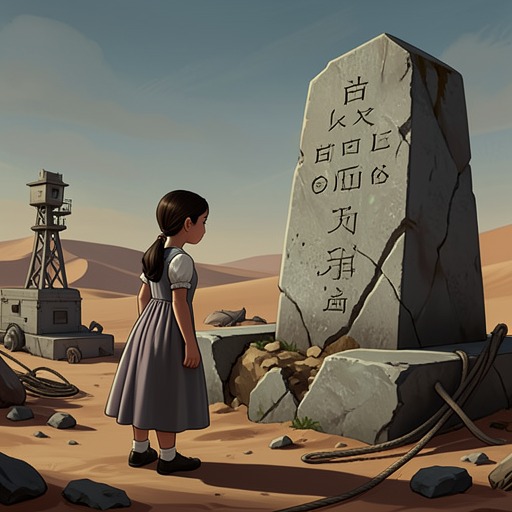
While her parents sleep, [Theodosia](entity:character-recall-character-theodosia-a6a84526ad80) convinces [Nabir](entity:character-recall-character-nabir-5d0b8df08a05) to take her alone to the [Valley of Kings](entity:location-recall-location-c7ef2deb0a31). She is awed by the royal necropolis and reaches the entrance to Thutmose III’s tomb, where a ladder must bridge a high opening in the mountainside.
The climb is precarious, but Theodosia hauls herself onto the ledge and enters the tomb. She carries the [Heart of Egypt](entity:object-recall-object-heart-of-egypt-98aeb7bf9f98) and a torch, resolved to restore it before [Henrietta](entity:character-recall-character-henrietta-821d7af1f636) can take the family home.
That morning
Inside the Royal Tomb
[Theodosia](entity:character-recall-character-theodosia-a6a84526ad80) descends through carved corridors and crosses a deep shaft on a plank bridge. She studies the burial chamber of Thutmose III, feeling the overwhelming force of ancient magic, then continues toward the adjoining tomb of [Amenemhab](entity:character-recall-character-amenemhab-9cab72ac582e).
The minister’s chamber contains untouched-looking artifacts and violent war scenes. Theodosia sees no obvious place to return the [Heart of Egypt](entity:object-recall-object-heart-of-egypt-98aeb7bf9f98) and realizes that simply leaving it in the burial chamber would allow someone else to find it.
That morning
Von Braggenschnott Finds Her
As [Theodosia](entity:character-recall-character-theodosia-a6a84526ad80) searches the newly opened area, footsteps approach and a German voice calls for her to come out. [Von Braggenschnott](entity:character-recall-character-von-braggenschnott-f591c7364f7a) and two men have reached the chamber, and Theodosia fears that they may have harmed [Nabir](entity:character-recall-character-nabir-5d0b8df08a05).
She scrapes dust from the tomb wall for a possible magical defense and finds an execration figure on the altar. She carves symbols into it and waits for a chance to use it against her pursuers.
That morning
The Traitor Revealed
[Theodosia](entity:character-recall-character-theodosia-a6a84526ad80) confronts the three men and recognizes [Nigel Bollingsworth](entity:character-recall-character-nigel-bollingsworth-3841359d9347) among them. He admits that [Clive Fagenbush](entity:character-recall-character-clive-fagenbush-6392d35dda7e) was only a convenient diversion, chosen because his suspicious appearance would draw attention away from the real traitor.
Nigel says he serves the [Serpents of Chaos](entity:character-recall-character-serpents-of-chaos-c3519d5ac352), not Germany. [Von Braggenschnott](entity:character-recall-character-von-braggenschnott-f591c7364f7a) explains that the organization is using Germany’s ambitions to provoke a wider European conflict and seize power amid the resulting chaos.
That morning
The Curse Turns on Tetley
[Von Braggenschnott](entity:character-recall-character-von-braggenschnott-f591c7364f7a) orders [Tetley](entity:character-recall-character-tetley-5d1f62eaf3a9) to seize [Theodosia](entity:character-recall-character-theodosia-a6a84526ad80). She uses the execration figure she has prepared, snapping its legs while chanting the spell; Tetley’s legs buckle and he collapses.
The moment shows Theodosia’s growing willingness to use ancient magic for defense, but she is still trapped with two enemies. Von Braggenschnott offers to recruit her, promising power and recognition while exploiting her fear that her parents do not value her.
That morning
Nigel’s Betrayal
Nigel grabs [Theodosia](entity:character-recall-character-theodosia-a6a84526ad80) from behind and whispers that she could accomplish great things with the [Serpents of Chaos](entity:character-recall-character-serpents-of-chaos-c3519d5ac352). He mocks her childhood crush on him, a private confidence he could only have learned by spying on her family.
Humiliated and furious, Theodosia rejects his offer and throws the tomb dust into his face. The ancient sandstone burns into his skin, giving her a moment to escape his hold, though the attack leaves Nigel badly injured.
That morning
The Hidden Annex
Nigel lunges blindly, and [Theodosia](entity:character-recall-character-theodosia-a6a84526ad80) crashes through a weakened wall into a narrow shaft. She lands in an unexpected chamber beyond the known tomb rooms, recognizing that she has discovered a previously unknown annex of [Amenemhab](entity:character-recall-character-amenemhab-9cab72ac582e)’s tomb.
The discovery is momentous, but Theodosia has little time to celebrate: [Von Braggenschnott](entity:character-recall-character-von-braggenschnott-f591c7364f7a) is following her, and the hidden chamber may leave her trapped with no clear way out.
That morning
The Heart’s True Place
In the hidden chamber, [Theodosia](entity:character-recall-character-theodosia-a6a84526ad80) sees a carving of Thutmose III with a hollow in his chest shaped exactly like the [Heart of Egypt](entity:object-recall-object-heart-of-egypt-98aeb7bf9f98). [Von Braggenschnott](entity:character-recall-character-von-braggenschnott-f591c7364f7a) corners her and reaches for the amulet hanging from her neck.
Theodosia tears it free and presses it into the hollow. The wall’s magic surges and settles, leaving the Heart of Egypt fixed in place and Von Braggenschnott’s hand stuck to the stone, apparently preventing the artifact from being removed again.
Moments later
The Was Scepter Found
Nigel appears in the corridor, his face severely burned, and threatens [Theodosia](entity:character-recall-character-theodosia-a6a84526ad80) with a dagger. She knocks the weapon aside with a heavy wooden staff and strikes him on the head, fearing she may have killed him.
The staff breaks apart to reveal the [Was scepter](entity:object-recall-object-was-scepter-98ce72462b6d) concealed inside. Theodosia has found the powerful artifact [Henrietta](entity:character-recall-character-henrietta-821d7af1f636) came seeking, even as [Von Braggenschnott](entity:character-recall-character-von-braggenschnott-f591c7364f7a) frees himself enough to draw a gun.
That morning
Rescue in the Tomb
[Von Braggenschnott](entity:character-recall-character-von-braggenschnott-f591c7364f7a) threatens to shoot anyone who enters, but [Theodosia](entity:character-recall-character-theodosia-a6a84526ad80) hears [Nabir](entity:character-recall-character-nabir-5d0b8df08a05) calling for her and realizes her parents have come too. She calls up the shaft, concealing the danger still waiting in the chamber.
Alistair climbs down first and sees Theodosia’s injuries, then embraces her when he realizes how frightened she has been. His fierce concern dissolves her fear that he does not care for her, while [Henrietta](entity:character-recall-character-henrietta-821d7af1f636) recognizes the [Was scepter](entity:object-recall-object-was-scepter-98ce72462b6d) in her hand.
That morning
The Escape of the Germans
[Theodosia](entity:character-recall-character-theodosia-a6a84526ad80) leads her parents toward the chamber where Nigel and [Von Braggenschnott](entity:character-recall-character-von-braggenschnott-f591c7364f7a) were left, but Alistair stops to examine her shoulder. He finds it dislocated and painfully resets it, causing Theodosia to faint.
When she later wakes, [Henrietta](entity:character-recall-character-henrietta-821d7af1f636) explains that the men were gone when the family returned to the chamber. The Germans have escaped, and Theodosia cannot explain the full conspiracy without breaking the secrecy she promised to keep.
Nearly a week later
A Discoverer’s Recognition
The family returns to England, and [Henry](entity:character-recall-character-henry-c166031952d6) and [Grandmother Throckmorton](entity:character-recall-character-grandmother-throckm-f2ac87252ffb) meet them at the station. Henry is hurt that [Theodosia](entity:character-recall-character-theodosia-a6a84526ad80) left for [Egypt](entity:location-recall-location-egypt-831f7ba4f646) without trusting him, and she admits that she is accustomed to handling danger alone.
Henry says he wanted her attention as much as the adventure, and they begin to reconcile. [Sticky Will](entity:character-recall-character-sticky-will-6f1482b0595c) briefly appears to pick Grandmother’s pocket, while Alistair takes Theodosia’s hand and leads the family home.
Nearly a week after returning
A New Role at the Museum
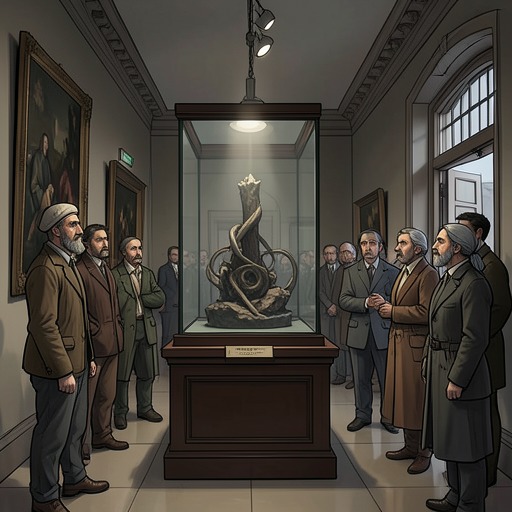
After Theodossia's injuries healed, she was finally allowed to return to the [Museum of Legends and Antiquities](entity:location-recall-location-museum-of-legends-an-bcc386404a04). Her parents decided to use the gas scepter discovered in the new tomb as the core of a new exhibition and agreed to list her as the discoverer. This recognition was significant
That day
The Serpents’ Larger Plan
Lord Wigram visits Theodossia to hear her tell the full story of what happened in the tomb, the betrayal, and the confrontation. She explains that the Serpent of Chaos intends to incite war between the European powers and then seize control when the entire continent is engulfed in war
Near the ending
Honorary Keeper
Lord Wigmore gave Theodora a gold ring set with lapis lazuli, similar in style to the rings worn by members of the brotherhood. He said that the society recognized her merits and courage, and had granted her the honor of membership. Theodora asked whether this honor would mean